
Replacement Compatibility
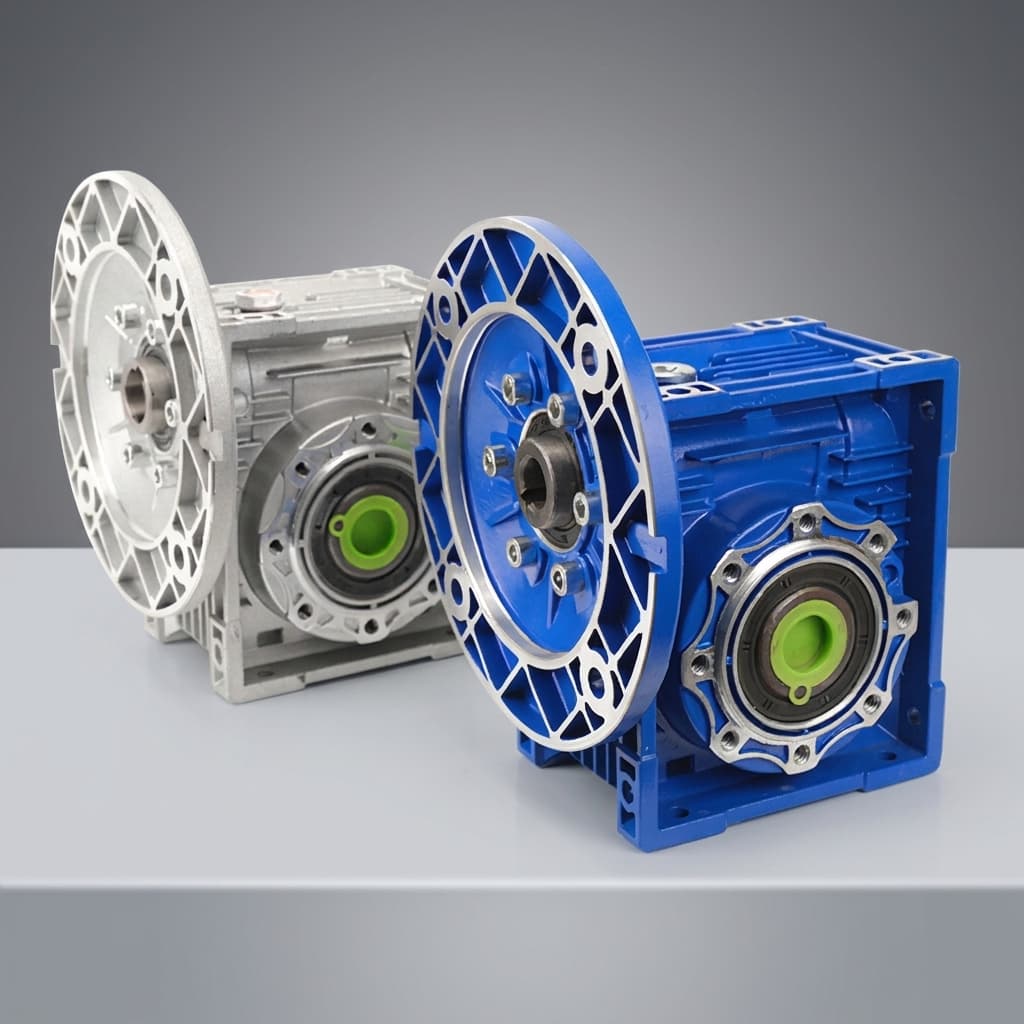
Review RV-E, RV-C, and Nabtesco-style replacements against flange, pilot, bolt circle, shaft, bearing support, ratio, and duty cycle.
What Buyers Can Validate Before Sampling
Compare product fit, custom interface scope, inspection evidence, and lead-time assumptions before you commit to a sample order.
Review RV-E, RV-C, and Nabtesco-style replacements against flange, pilot, bolt circle, shaft, bearing support, ratio, and duty cycle.
Screen flange, hollow bore, right-angle layout, motor input, compact envelope, and drawing-controlled changes before production release.
Define project-specific checks for backlash, torsional rigidity, transmission accuracy, runout, noise, thermal rise, and outgoing inspection records.
Align sample quantity, pilot lot, annual forecast, packaging, destination, required delivery date, and repeat-order cadence early in the RFQ.
Explore our core cycloidal reducer families, engineered for varying payload capacities, integration footprints, and precision requirements.
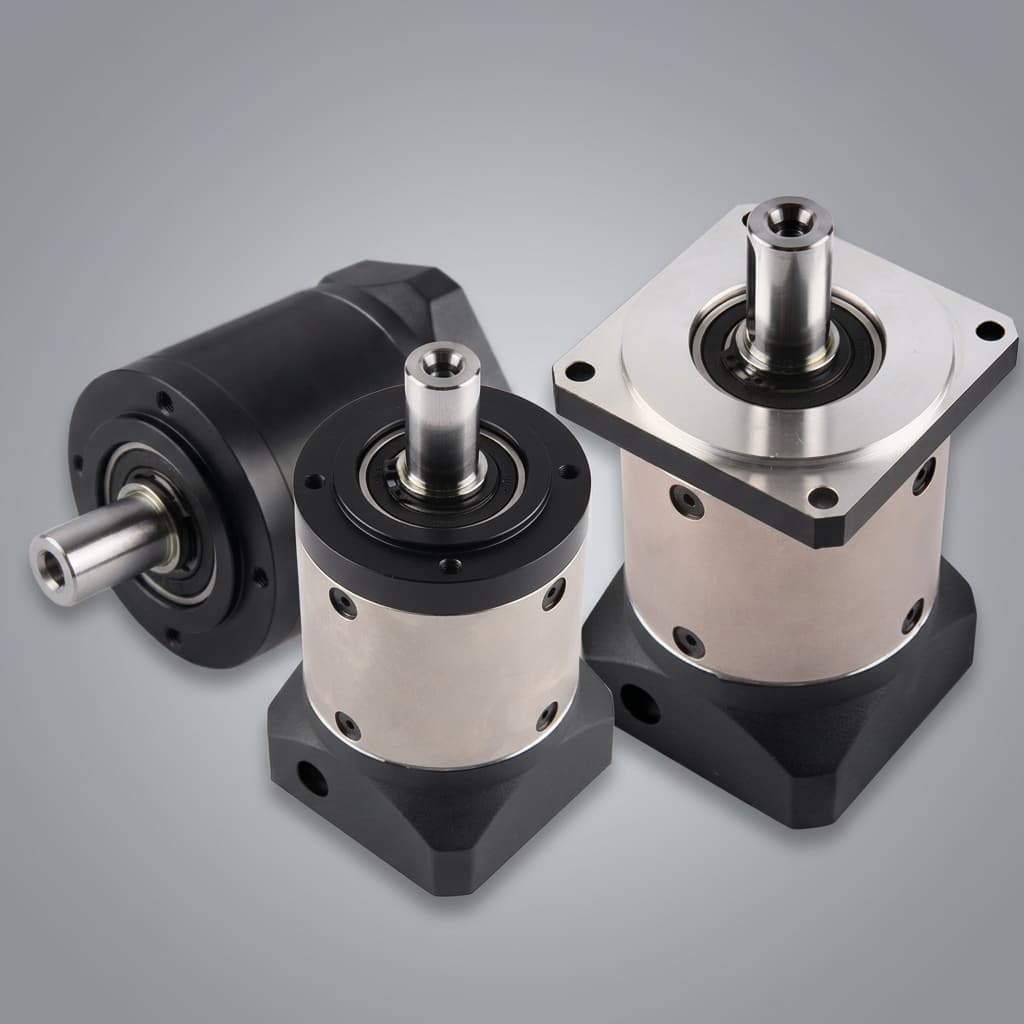
High load capacity with a large center through-hole for easy cable routing in robotic arms.
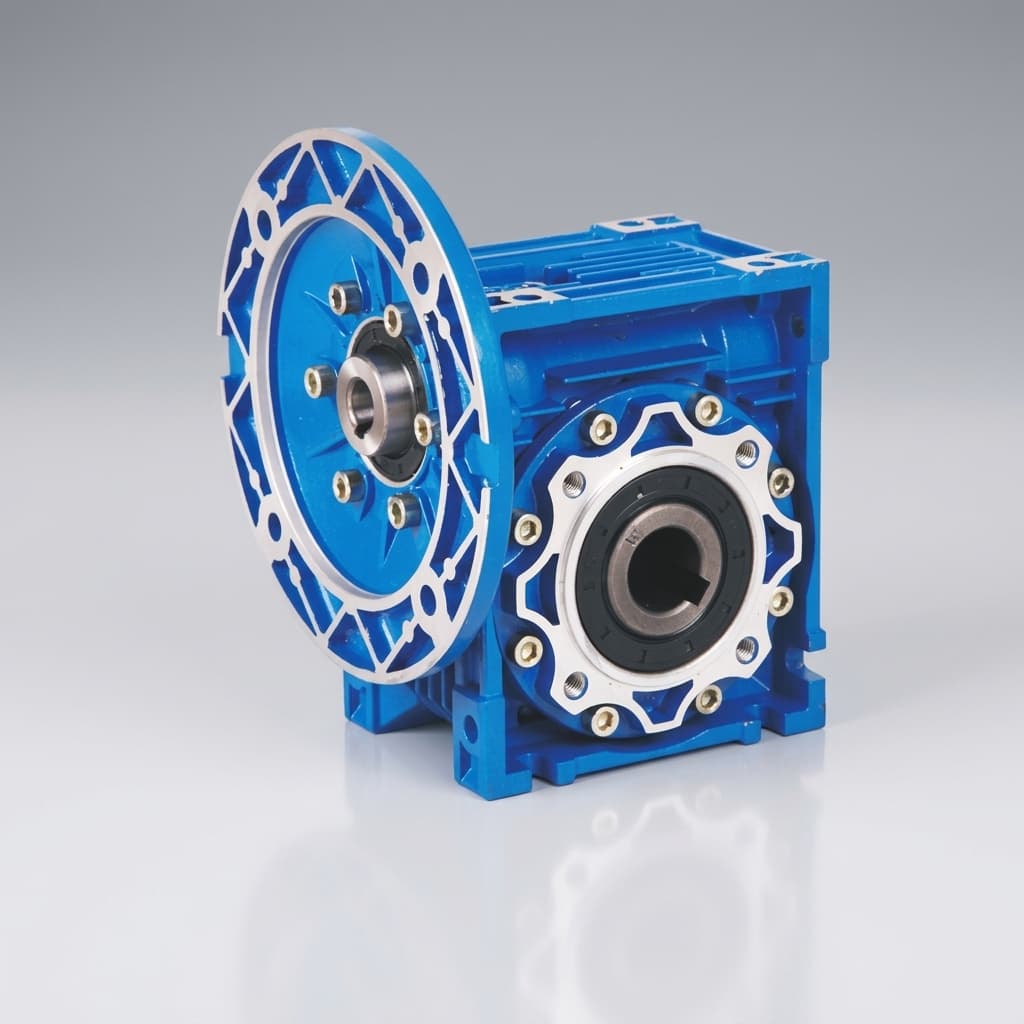
Standard solid shaft configuration delivering maximum torsional rigidity for heavy-duty applications.
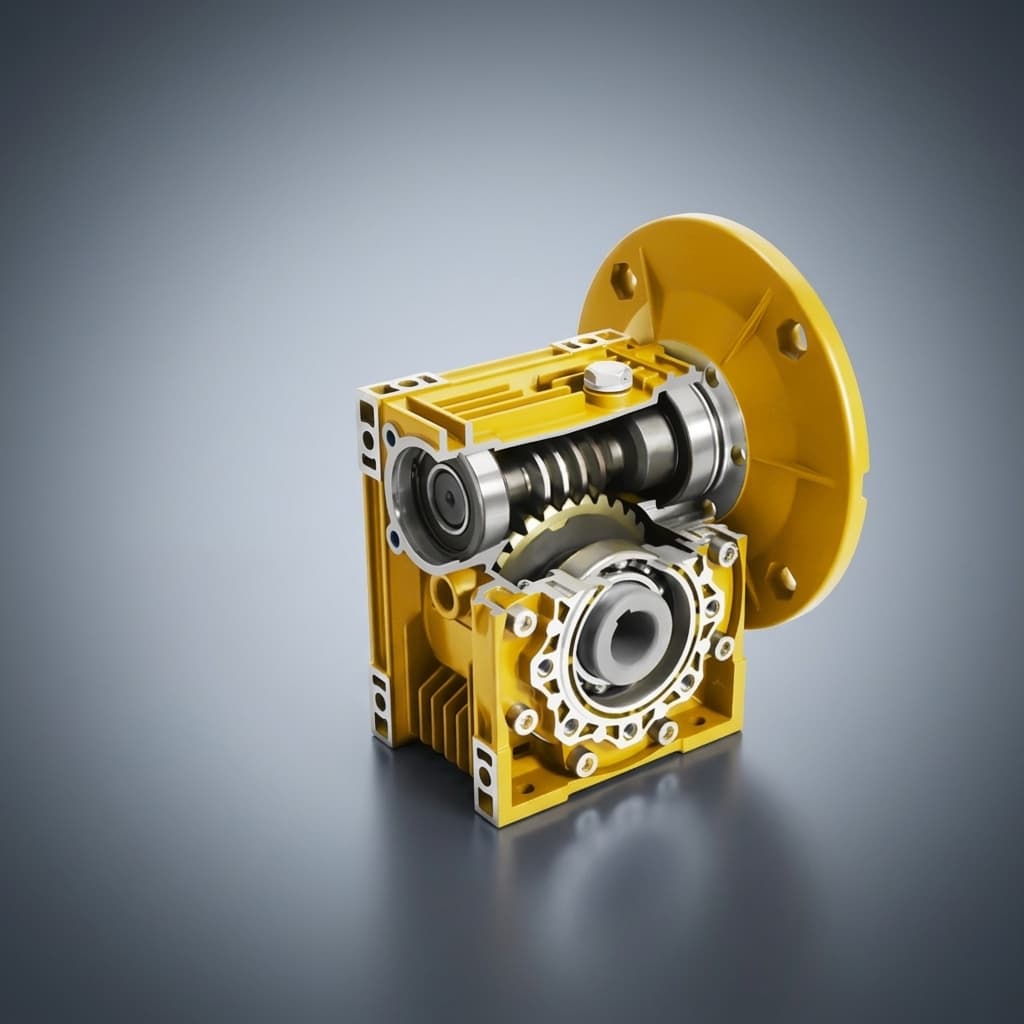
Ultra-compact, flat-profile reducers for humanoid, cobot, and compact robotic joint modules.
Engineered for Performance
Consistent reliability and precision for demanding automation environments.
Low-backlash options by series
Shock-load review by model and duty cycle
Application-dependent life target
Buyers usually need more than a unit price. Engineering, procurement, and production teams need to see product range, interface flexibility, validation evidence, and delivery planning before trusting a new RV reducer or cycloidal gearbox supplier.
Heavy-duty RV reducers, RV-C/RV-E style replacements, micro cycloid gearheads, hollow-shaft reducers, and right-angle cycloidal gearboxes.
Adapt standard reducer platforms around the real interface constraints of the robot or module.
Help buyers avoid selecting only by catalog torque when the duty cycle and joint package are the actual risk.
From heavy-payload automotive welding to compact humanoid and AGV modules, cycloidal gearboxes are reviewed for low-backlash rigidity where axis reliability is critical.

High torsional rigidity to dampen vibration during rapid point-to-point welding and material handling.

Compact flat-profile reducers reviewed for radial load, floor impact, and service requirements in warehouse vehicles.
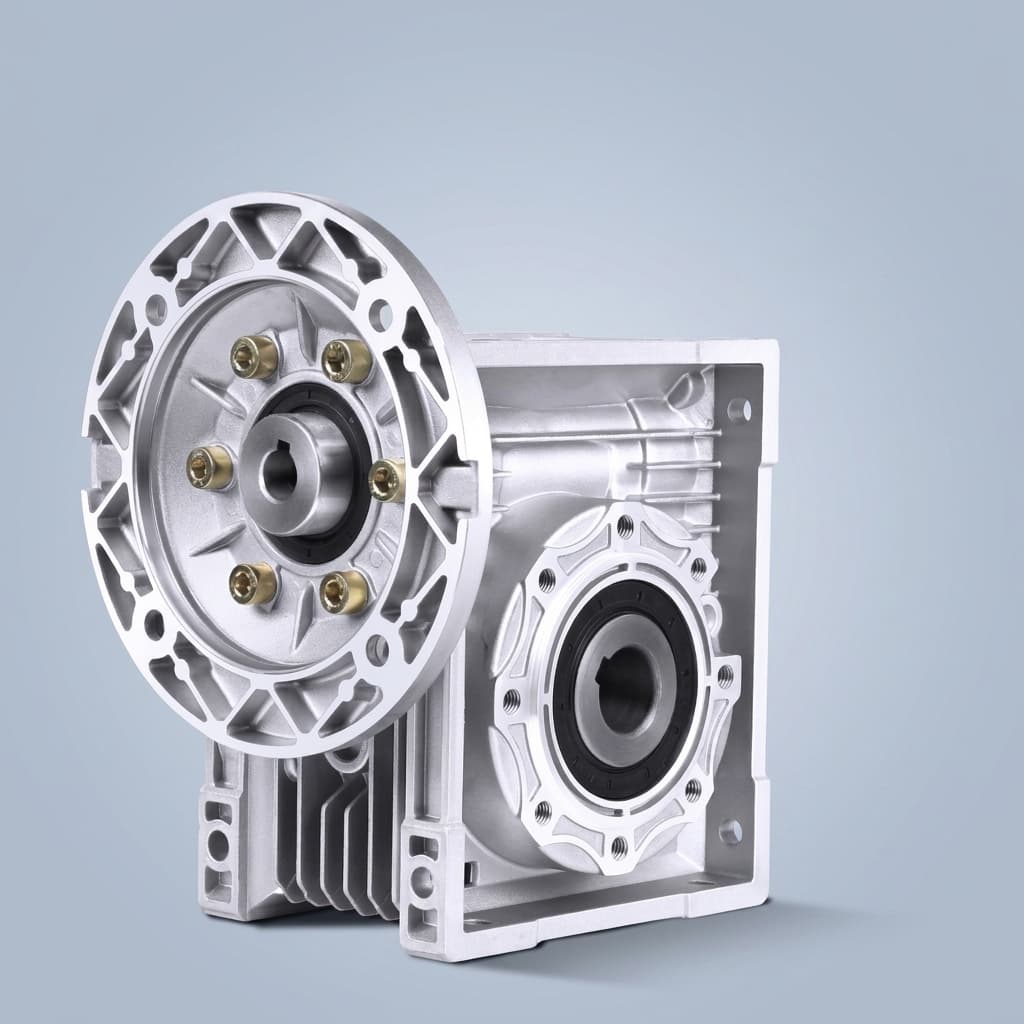
Compact, high-rigidity micro cycloid reducers for small robot joints that need shock resistance and low backlash.
Quality control is framed around buyer acceptance, not generic factory claims. The goal is to define what evidence releases a reducer for installation, pilot production, and repeat supply.
Confirm mounting interface, reducer envelope, ratio, torque window, bearing-load assumptions, and replacement constraints.
Check critical dimensions, backlash, no-load running torque, noise, thermal rise, runout, and visual condition by project scope.
Freeze revision, compare buyer-side test feedback, track CTQ records, and confirm packaging and labeling requirements.
Coordinate annual forecast, outgoing inspection records, export packaging, spare strategy, and repeat shipment cadence.
Share application, reducer model or drawing, ratio, torque, speed, backlash target, quantity, and destination.
Shortlist standard or modified reducer options with interface, performance, and validation risks called out.
Approve sample quantity, inspection items, machine-side fit checks, duty-cycle test, and pass/fail thresholds.
Freeze drawings and CTQ records, then align lead time, packaging, batch inspection, and forecast cadence.
This quick matrix helps cross-functional teams compare major options before opening a detailed RFQ thread.
| Family | Best Fit | Key Metric | Why It Matters |
|---|---|---|---|
| RV Reducer | For robotics integrators, OEMs, and automated production facilities seeking dependable RV reducer supply with engineering review. | Shock Load Capacity: Model-dependent peak torque and emergency-stop margin | Ensures gearbox survival during e-stops or collisions. |
| Heavy Duty RV Reducer | Best for robot OEMs, integrators, and maintenance teams sourcing stable RV reducer alternatives. | Backlash: Low-backlash precision class by model | Controls repeatability and robot path accuracy. |
| Nabtesco Alternative RV Reducer | For robot OEMs, integrators, maintenance teams, and distributors that need a reliable China-made RV reducer alternative without redesigning the robot joint. | Interface compatibility: Drawing-by-drawing validation | Replacement approval depends on pilot, bolt circle, shaft, bearing support, and envelope matching the existing robot joint closely enough for the buyer-side fit check. |
| RV-C Replacement Gearbox | For maintenance teams and machine builders looking for a reliable, dimensionally-compatible RV-C style reducer. | Moment load capacity: Application-specific | Required to support overhanging loads on heavy robotic arms or rotary tables. |
| Micro Cycloid Reducer | For robotics R&D teams that need compact, stiff reducers and want an alternative architecture to evaluate before prototype freeze. | Outer diameter: Compact model-dependent range | Determines whether the reducer fits small robot joints. |
| Hollow Shaft Cycloid Reducer | For teams that need a reducer with a central passage for power, signal, pneumatic, or sensor routing. | Hollow bore: Model-dependent | Defines whether cables and tubes can pass through the joint. |
| Right Angle Cycloidal Gearbox | Useful when a straight reducer cannot fit the available machine or robot envelope. | Installation envelope: Drawing-based | The right-angle format is mainly selected to solve packaging constraints. |
| Custom RV Gearbox | Engineers and R&D teams requiring non-standard gearhead geometries or performance curves that off-the-shelf items cannot meet. | Design variance: Project-specific | Ensures the final product matches the unique integration constraints of the buyer system. |
Each application has different acceptance risks. Use these paths to start with the information that matters for your reducer shortlist.
Industrial robot axes
Payload, reach, emergency-stop shock load, stiffness, and path accuracy.
Review application path →Nabtesco replacement programs
Pilot, bolt circle, ratio, shaft, bearing support, backlash, and life evidence.
Review application path →Humanoid and compact robot joints
Outer diameter, axial length, mass, impact load, motor fit, and cable routing.
Review application path →AGV / AMR drive and steering modules
Wheel load, floor impact, duty cycle, sealing, service interval, and packaging.
Review application path →Practical buyer-side checklists, decision frameworks, and technical insights from our OEM engineering team.
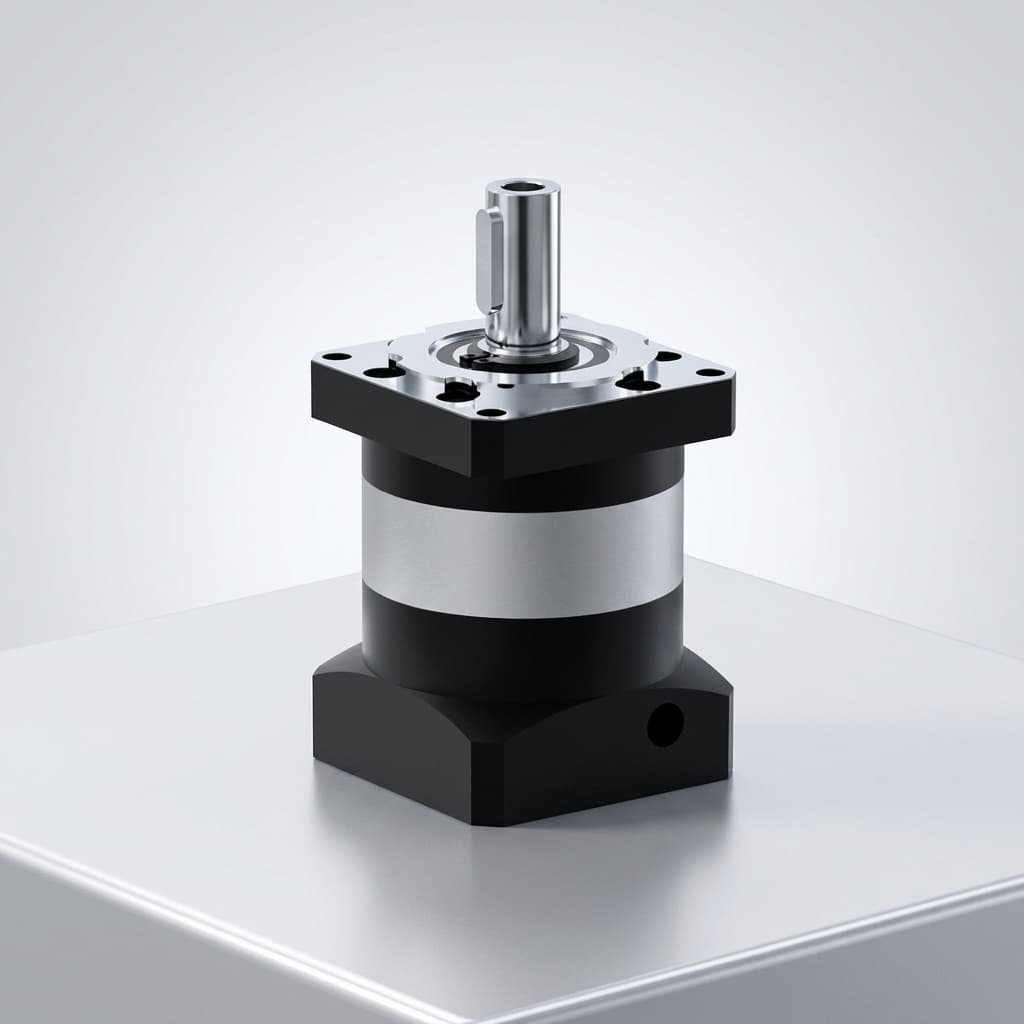
Discover how vibration analysis and thermal imaging can detect RV reducer degradation hours before failure, reducing TCO and unplanned downtime.

Discover how hollow shaft RV reducers solve high-density wiring challenges in modern robotics. A complete guide on torque ratings, bore sizing, and procurement.
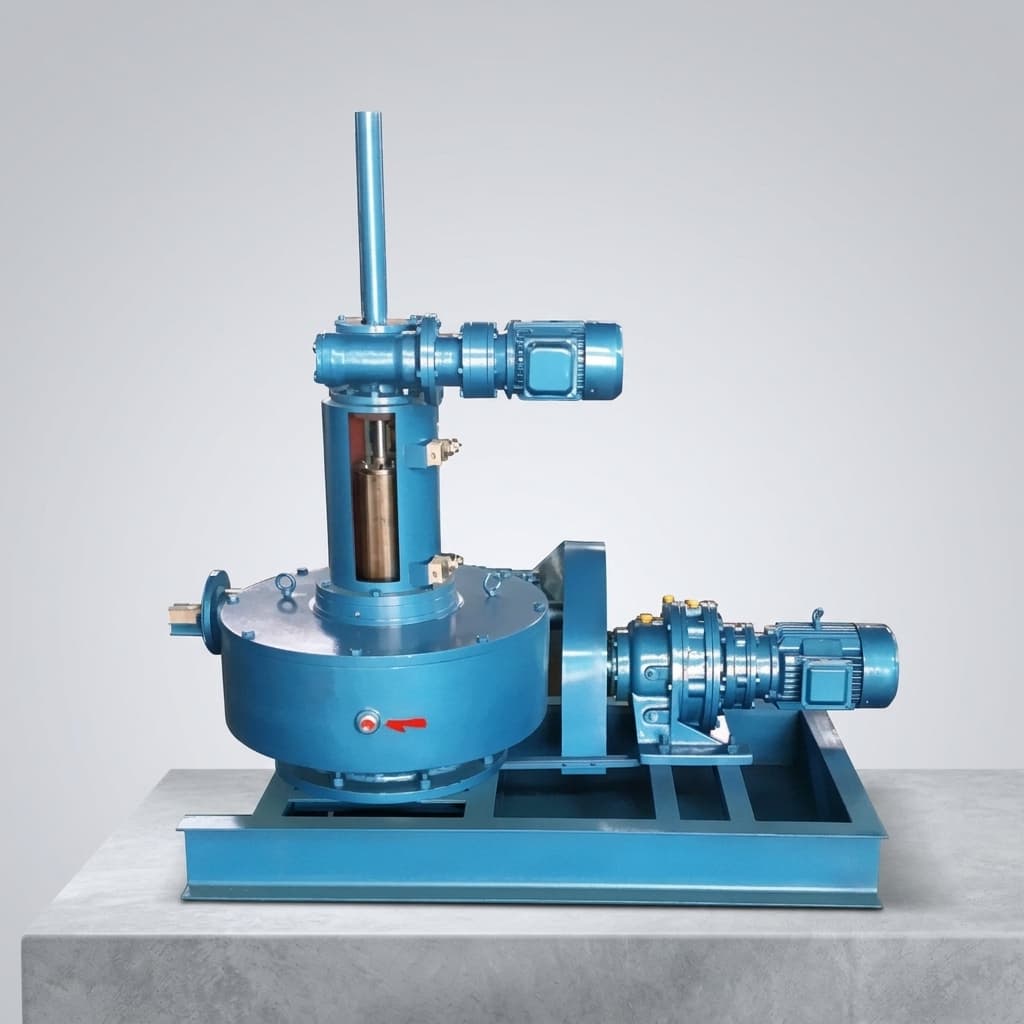
Use this guide to select RV reducers for 20kg+ cobots: compare harmonic drives, torque, stiffness, friction, hollow shafts, and sourcing risks.
Technical & Procurement FAQ
Share your specs and procurement timeline to receive engineering feedback and quotation support.
Inquiry Email
Include target torque/speed, quantity, and delivery location.
If your team is evaluating RV reducer or cycloidal gearbox suppliers, start with a workflow that combines technical fit, validation criteria, and delivery planning in one track. This avoids the common failure mode where model selection looks correct on paper but fails during commissioning or pilot ramp.
A usable inquiry does not need a perfect specification, but it should give enough context to screen torque, interface, validation, and delivery risk before a sample is quoted.